


Smooth’s Court is a column from Walter Yeates that will feature multiple weekly entries, including commentary from Walter on current and past events in the world of professional wrestling. This entry looks at the debate Kenny Omega and Alan Angels started, and the difference between Carpenter and Jobber matches.
When those playing wrestling journalists online have an agenda, even six-minute matches on a weekly television event can spark controversy in the professional wrestling media. On last week’s All Elite Wrestling (AEW) Dynamite, Kenny Omega defeated independent wrestler Alan Angels in six minutes and nineteen seconds, however, the debate surrounding the match has raged on for over a week.
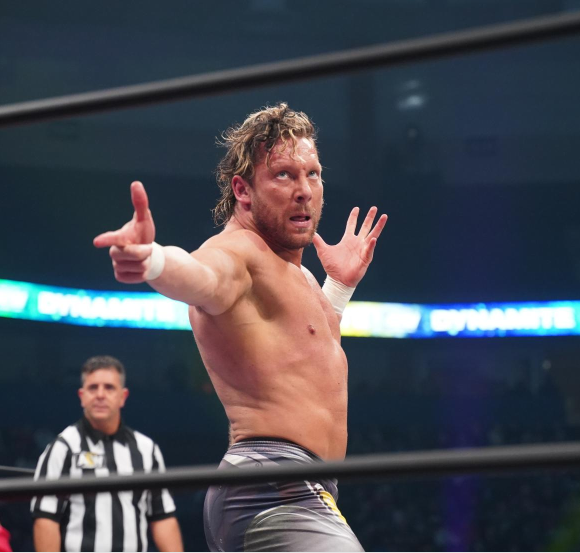
Many have complained that Omega should have beaten an uncontracted independent wrestler in under two minutes, copying the predictable World Wrestling Entertainment (WWE) model of squash matches that come with little excitement or intrigue. Within these multiple threads on Twitter users commonly use the term ‘jobber’ as a misnomer for the entirety of enhancement talent — never mentioning the term ‘carpenter.’
An article from 2006 describes a run-in with professional wrestling veteran and current AEW staff member, Arn Anderson in what the term carpenter means in professional wrestling:
As he spoke, the first thing Arn wanted to make clear, was that Jamie was not a jobber at all. Noble was more like a lower mid-card talent at the time. Anyhow, as he continued to educate the young man, he asked if he knew what a carpenter was. The man replied as most would, describing a person who builds houses or does some type of work related to a building. As Arn chuckled, he said, “well, you got some of it correct.”
Arn began to explain that in relation to the sport of wrestling, a carpenter was someone who possessed a great deal of skill in the ring, often times more so than their opponent. But, their job wasn’t to stack up wins and dominate storylines. Their job is to utilize their skill-set to make their opponent look like a million bucks.
The carpenter is someone who is responsible for selling their opponents maneuvers in a way that everyone watching is left in awe at how great the opponent is. At the end of the match, the carpenter has succeeded if his opponent not only won the match but looked like a specimen of perfection while doing so.
While a ‘jobber’ is essential someone brought in to be the brunt of squash matches, without ever being seen having sustained offense on their opponent. ‘Carpenters’ play a different role, and are meant to look as credible adversaries that belong competing against talent on the roster. For a modern example, Young Lions within New Japan Pro Wrestling (NJPW) ‘carpenters’ in that they don’t get victories over non-dojo talent, but they do look capable of doing so when they are given the opportunity.

Shota Umino, who was a Young Lion at the time, went over 14 minutes with Hiroshi Tanahashi in the New Japan Cup in 2019. Tanahashi holds the record for number of IWGP Heavyweight Champion reigns (8) and was not hurt in any way by the match going as long as it did.
NJPW does an amazing job of building up Young Lions, and there is an established tradition of Young Lions becoming huge draws for the company, despite spending time as ‘carpenters.’ For example, when current IWGP Intercontinental and Heavyweight ‘Double Champion’ Tetsuya Naito was a Young Lion in 2006, he won eight matches while dropping 50, with all his victories coming against other Young Lions or rookies from other promotions.
‘Carpenter’ matches are far superior to ‘jobber’ matches as the in-ring product isn’t as predictable, it makes more sense if the product aims to present a sports presentation, and it shows the audience the ‘carpenter’ could have a future on the roster. Contrastingly, a ‘jobber’ squash match tells the viewer that the wrestler doing the squashing wasn’t challenged, and the person being squashed had no business competing against the person they were up against.
‘Carpenter’ matches were extremely common during the territory days in the United States and existed well into the 90s in World Championship Wrestling (WCW). Recently retired Manabu Nakanishi served as a competitive carpenter against Randy Savage when he was on an excursion to WCW in 1995, dominating the match over the far more established Savage.
Savage wasn’t damaged by the match and Kenny Omega wasn’t hurt by his match with Alan Angels, nor is it a negative that Omega ‘allowed’ the match to happen. Nearly every major star before World Wrestling Federation (now WWE) took over the professional wrestling market share in the United States, did the same.
Ric Flair, Barry Windham, Ricky Steamboat, Arn Anderson, and others didn’t have their drawing power diminished by ‘carpenter’ matches — why would Kenny Omega?
A little look at the history of professional wrestling could help prevent misinformation from becoming topics of outrage.
