

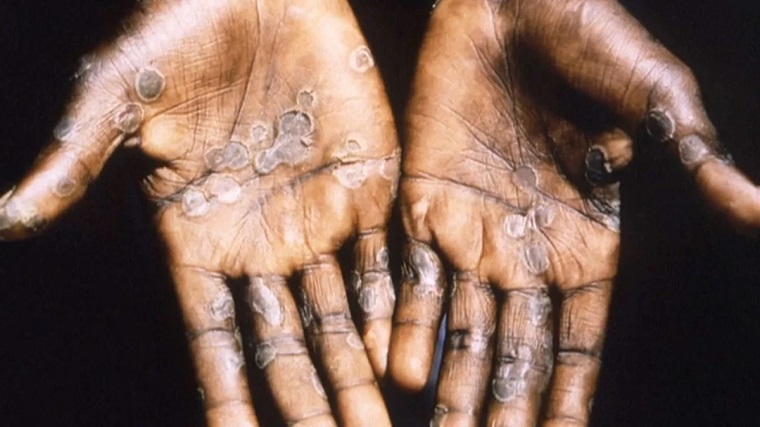
Monkeypox is building up steam as another 50 suspected cases are being looked at by the World Health Organization. So far, the U.S, Canada, Australia, and nine countries in Europe are being investigated. While rare, the virus is common in West and Central Africa where it has resulted in death in a small percentage of those infected.
The World Health Organization is Currently Investigating 50 Monkeypox Cases in the U.S, Canada, Australia, and Europe…More Reports Expected
Europe has reported a number of cases in Belgium, France, Germany Italy, the Netherlands, Portugal, Sweden, and the UK. As we head into the summer season, WHO Europe’s regional director, Hans Kluge has concerns about monkeypox spreading rapidly because of all of the activity:
“As we enter the summer season in the European Region, with mass gatherings, festivals and parties, I am concerned that transmission could accelerate, as the cases currently being detected are among those engaging in sexual activity, and the symptoms are unfamiliar to many.”
In the UK, the first case was reported on May 7, 2022, after the patient returned from Nigeria. They are the first of 20 cases being investigated. The UKHSA warns citizens that it could be transmitted via sexual contact—particularly among gay or bisexual men.
“The virus spreads through close contact and UKHSA is advising individuals, particularly those who are gay, bisexual or MSM [men who have sex with men], to be alert to any unusual rashes or lesions on any part of their body, especially their genitalia, and to contact a sexual health service if they have concerns.”
What to Look Out For
According to the World Health Organization, “Symptoms of monkeypox typically include a fever, intense headache, muscle aches, back pain, low energy, swollen lymph nodes, and a skin rash or lesions.”
While the crusty skin rashes are the most identifiable symptom of monkeypox, those pop up a day or two later following a fever. The skin rash—or lesions—are identified by being either raised or flat and are “filled with a clear or yellowish fluid.” The WHO says that the lesions will appear on the face, palms of hands, soles of the feet, eyes, mouth, and genitals.
It should also be noted that while infectious, monkeypox doesn’t spread easily and the risk is considered to be very low. Physical contact—including sexual contact—can spread the virus but at the moment it is unknown if sexual transmission spreads it as well.
The virus can last anywhere between two and four weeks and is largely prevented by the smallpox vaccine which provides 85-percent protection. However, there is no specific vaccine for the disease.
If you or someone you know is showing symptoms, it is suggested that you call your local health center or health department to schedule a visit and self-quarantine to avoid infecting others. Also, wash your hands regularly
CHECK IT OUT: To get The Overtimer’s Hottest Stories, Breaking News and Special Features in your email, CLICK HERE! Also, subscribe to Daily Soap Dish on YouTube for reality TV news and views and hit the bell icon for updates!
